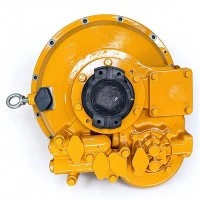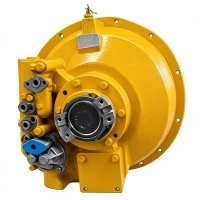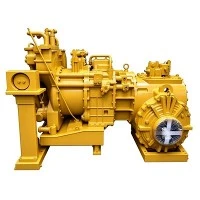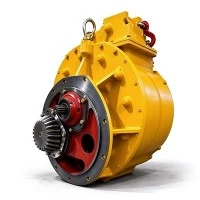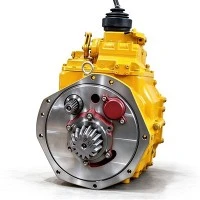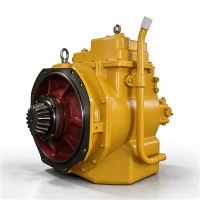

A torque converter connects the engine to an automatic transmission. Unlike a manual clutch, it uses transmission fluid to transfer power between rotating components. This allows the engine to keep running when the vehicle stops, without requiring the driver to disconnect the engine manually.
Main Components and Their Functions
A typical torque converter contains three main components: the impeller, turbine, and stator.
The impeller rotates with the engine and moves transmission fluid toward the turbine. The fluid then transfers energy to the turbine, which is connected to the transmission input shaft.
The stator redirects returning fluid to improve power transfer under certain operating conditions. Its role is especially important when the difference between engine speed and turbine speed is large.
Some designs also include a lock-up clutch. At suitable driving conditions, the clutch connects the engine and transmission more directly, reducing fluid-related power losses.
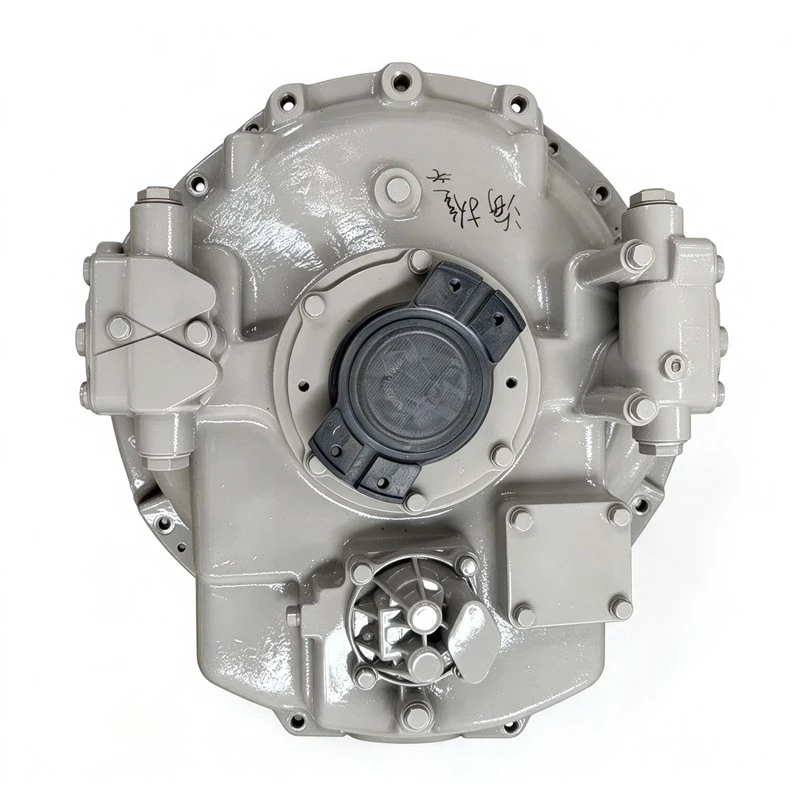
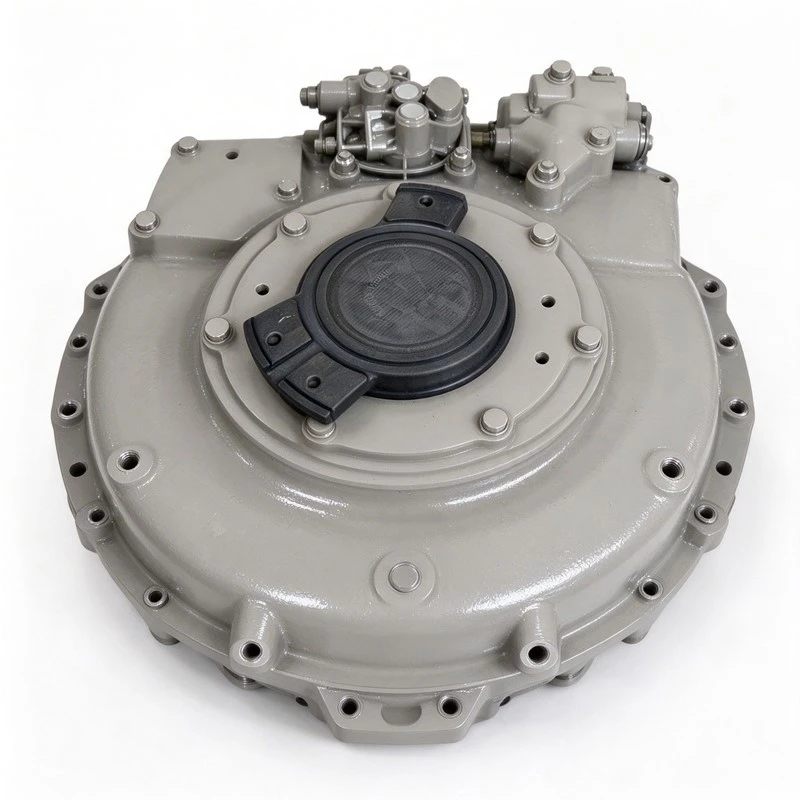
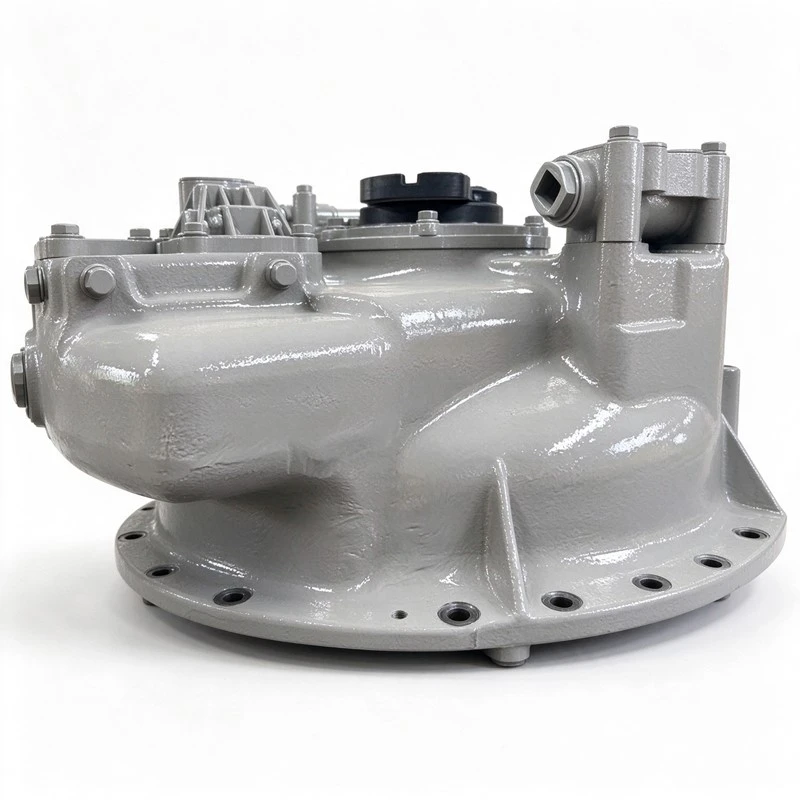
What Happens During Acceleration?
When the engine starts rotating, the impeller moves the fluid inside the housing. The fluid drives the turbine, allowing the transmission to receive power.
During acceleration, the engine and turbine may rotate at different speeds. Under certain conditions, the converter can multiply torque, helping the vehicle move from a stop or accelerate under load.
As vehicle speed increases, the difference between engine and turbine speeds may decrease. If the transmission uses a lock-up clutch, the system can engage it when operating conditions allow.
Why Design Differences Matter
Not all converters are designed for the same transmission or vehicle. Internal dimensions, clutch configuration, and other specifications depend on the original application.
A replacement part must match the transmission design rather than simply fit inside the available space. Incorrect specifications can affect installation and transmission operation.
For buyers, understanding how a torque converter works makes it easier to discuss technical requirements with suppliers. It also helps explain why two products with similar external appearances may not be interchangeable.
Before purchasing, confirm the transmission model and original part number. Where necessary, ask for technical drawings or dimensional information.
A basic understanding of the converter's internal components can help distributors answer customer questions and identify the correct replacement part. It also provides a useful starting point when comparing different converter designs for specific applications.